

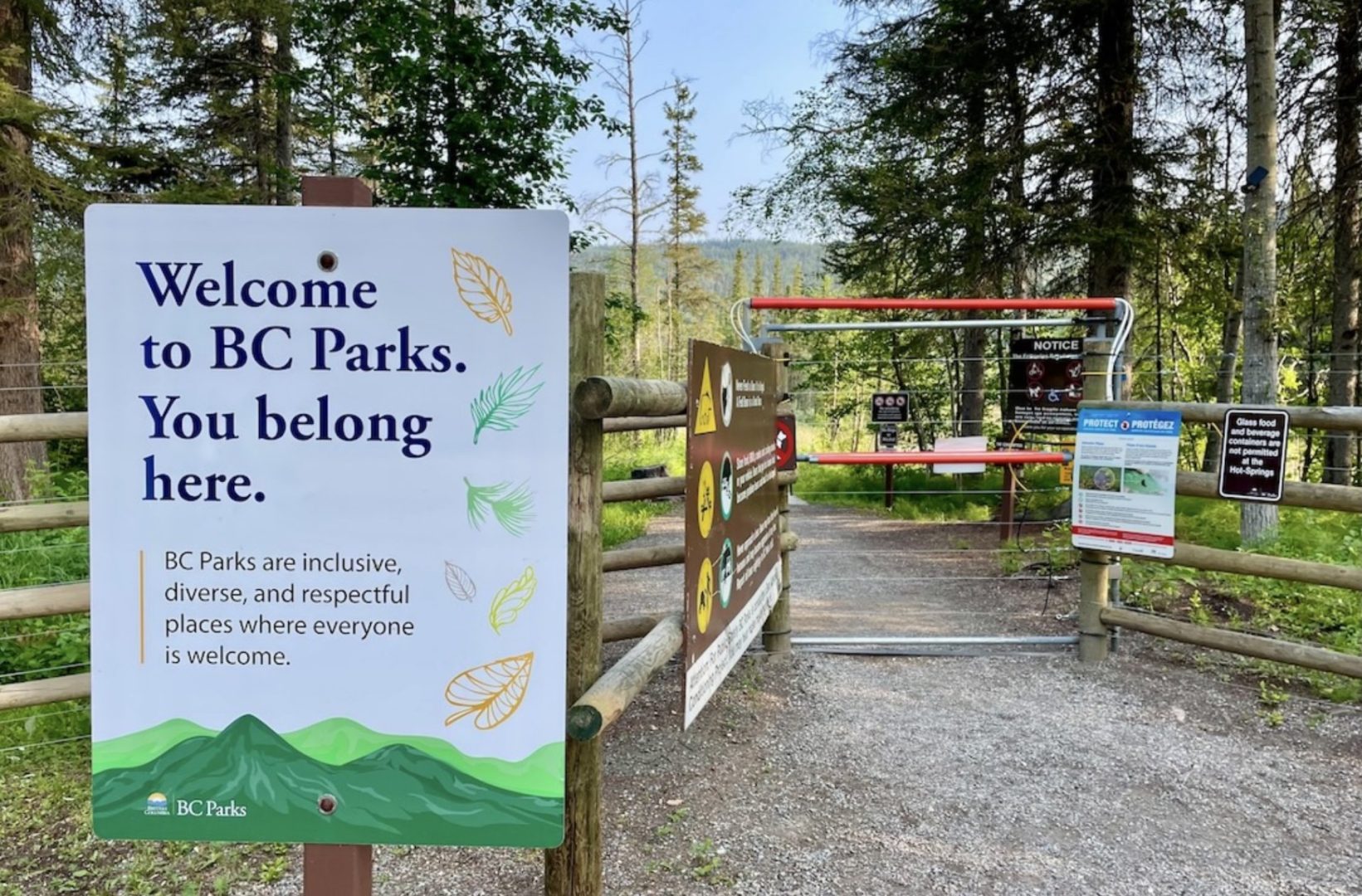
British Columbians love the great outdoors and for many, camping and adventuring in our provincial parks is an annual summer past time—if they can get a spot.
Maintaining good access to nature is something the province should be able to do without issue, considering about 95 per cent of B.C. is Crown land, including nearly all of the fresh and saltwater foreshore. Yet we see that access is shrinking.
The province boasts that since 2017 they have added more than 2,000 new campsites to the front country. This timescale conveniently shrouds the fact that over three-quarters of those spots were added before 2022. Since then, less than 500 new sites have been opened, including a paltry 60 sites last year and a mere handful this year. In other words, there has been about an 80 per cent drop in the pace at which BC Parks opens new sites post-pandemic. Meanwhile, B.C.’s population has surged by about 345,000 people since 2022, meaning roughly one campsite is being added per 900 new residents.
It’s no wonder getting a spot feels like the Hunger Games nowadays.
High demand for campsites has led to the introduction of new features in the booking process, such as the ability to get a push notification when a previously booked site opens up. The competition for new spots is so fierce that enthusiasts have developed strategies to increase their chances of locking down a site. One husband and wife describe their “mission control-style set up” whereby each of them logs onto the BC Parks campsite reservation website for provincial parks “with both a computer and an iPad” the minute reservations open online. Meanwhile, “a second phone is running FaceTime to allow real-time co-ordination between [us] and two similar set-ups run by [our] longtime camping friends.”
Building new campsites may seem like a luxury we can’t afford given the province is running the worst deficit, with the highest debt in the province’s history. But investments to expand access would be a drop in the bucket, compared to the overall budget. And while fixing the housing supply and building new hospitals are complex scarcity problems that may take decades to tackle, the province could increase public access and build more campsites with relative ease.
Instead, the B.C. government is obstructing movement. Forestry roads, such as those leading to Carmanah Walbran Provincial Park on Vancouver Island, have been blocked. In the Kootenays, government officials remain adamant about decommissioning forestry roads at Rady Creek and the Incomappleux Valley, despite months of advocacy by property owners, tenure holders, recreational users and others who will lose not just public access but the route in and out of their homes.
And of course, there are the numerous restrictions to provincial parks, including Juan de Fuca, and the now infamous Joffre Lakes closures, which will total 31 days this year, including a week in June and most of September.
These instances could be read as isolated decisions with varying rationales, but add them together and the trend is clear. The combination of limited campsite availability, park and resource road closures, and the fact that the province has not opened a new provincial park since 2021, all indicate that access to nature is becoming more scarce.
An active outdoor lifestyle is one of the most priceless amenities B.C. has to offer its citizens. Instead of reducing access, the government should make sure the province’s parks and backcountry remain easily accessible for everyone.