

The B.C. government says its decision to consolidate numerous natural resource enforcement agencies into a single new office is partly a bid to encourage economic investment at a time Premier David Eby’s administration is making the sector a centrepiece of his political agenda.
The Environment Ministry announced this week it is merging six agencies that investigate everything from wildlife encounters to environmental infractions into a new BC Compliance and Enforcement Agency.
Although billed primarily as a way to increase efficiencies, the ministry in a statement acknowledged it was sending a signal to natural resource investors with the move as well.
“This is not just about finding internal-to-government efficiencies, it is also about ensuring a level playing field for industry and strengthening the confidence of the public,” the ministry said in its statement to Northern Beat.
“We all know that a competitive economy depends on regulators ensuring a predictable and level playing field for businesses who cannot afford to be undercut by those ‘not following the rules.’”
Among the agencies affected is the compliance and enforcement branch of the Environmental Assessment Office, which ensures major projects like mines, natural gas facilities and pipelines actually follow the environmental restrictions legally imposed on them when they are approved by the province.
The shift in oversight comes as the NDP government is seeking to fast-track new mines, LNG terminals and natural gas pipelines as part of the premier’s Look West economic plan. The government has said projects need to be approved more quickly, and be subject to less red tape and bureaucratic delays.
Primarily though, the government is billing the change as a way to make the enforcement branch more efficient, through things like shared staff, tools, training, recruitment, digital systems and vehicle fleets.
The ministry says distinct groups, like the BC Conservation Officer Service, will retain their own uniforms and status. Conservation officers respond to wildlife conflicts, hunting infractions and poaching — a critical component of rural communities, and a service frequently cited for being understaffed.
The Opposition BC Conservatives, who represent most rural communities affected by the decision, did not return a request for comment about the change.
Agencies investigate archeology, forestry, water, Crown land occupation
“Our concern is that this consolidation could end up having people wearing multiple hats,” said Jesse Zeman, executive director of the BC Wildlife Federation. But, if successful, it could also establish some consistency where currently different ministries operate in silos, he added.
“There’s always a lot of files where there’s overlap between, say, water use, water license and poaching or damaging fish habitat, that’s not uncommon,” Zeman said in an interview.
“It’s not uncommon to have people damage the environment where there’s multiple agencies involved. Having them in one shop really does make sense from that perspective, so there’s one point of contact, and kind of a forced working together.”
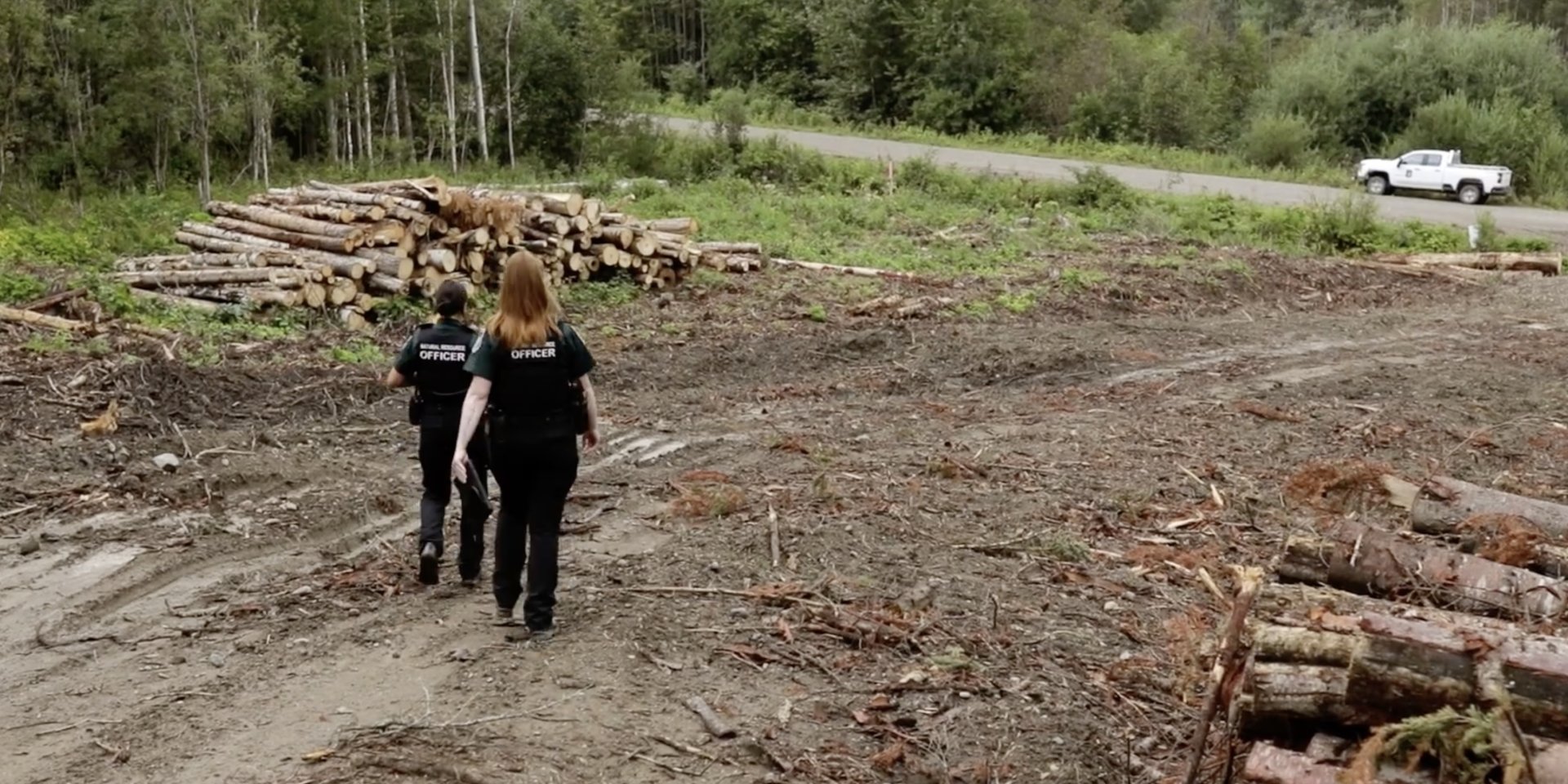
Also affected is the Natural Resource Officer Service, which investigates wildfires, archeological sites, illegal forestry, water management and unauthorized occupation of Crown land. That comes at a time of increased summer wildfires, drought and an overhaul of the archeological rules as part of contentious changes proposed by the Eby government to the Heritage Conservation Act.
The other agencies include the Service Transformation Branch (which helped redesign the BC Parks camping reservation platform) and the Regulatory Effectiveness and Sector Integration Branch.
Forests range officers, and BC Parks officers do not appear to be affected.
Union will monitor changes, says president
The government says there are “no job losses associated with this consolidation” and “no office closures” either.
But the union representing the various enforcement officers says it wasn’t consulted and isn’t sure what to make of the change.
“We want to make sure that British Columbians are getting the best possible service and enforcement in these areas,” said Paul Finch, president of the BC General Employees’ Union.
“We’re going to be monitoring the situation really closely to see how it shakes out.”
As will many others in the wildlife, environmental and natural resource sectors, to see if the government is bolstering, or undercutting, critical investigatory oversight at a time of major expansion.