

“You can’t have two sets of owners having ownership interests, with mutually exclusive rights, over the same piece of land. It just, in our view, doesn’t work.”
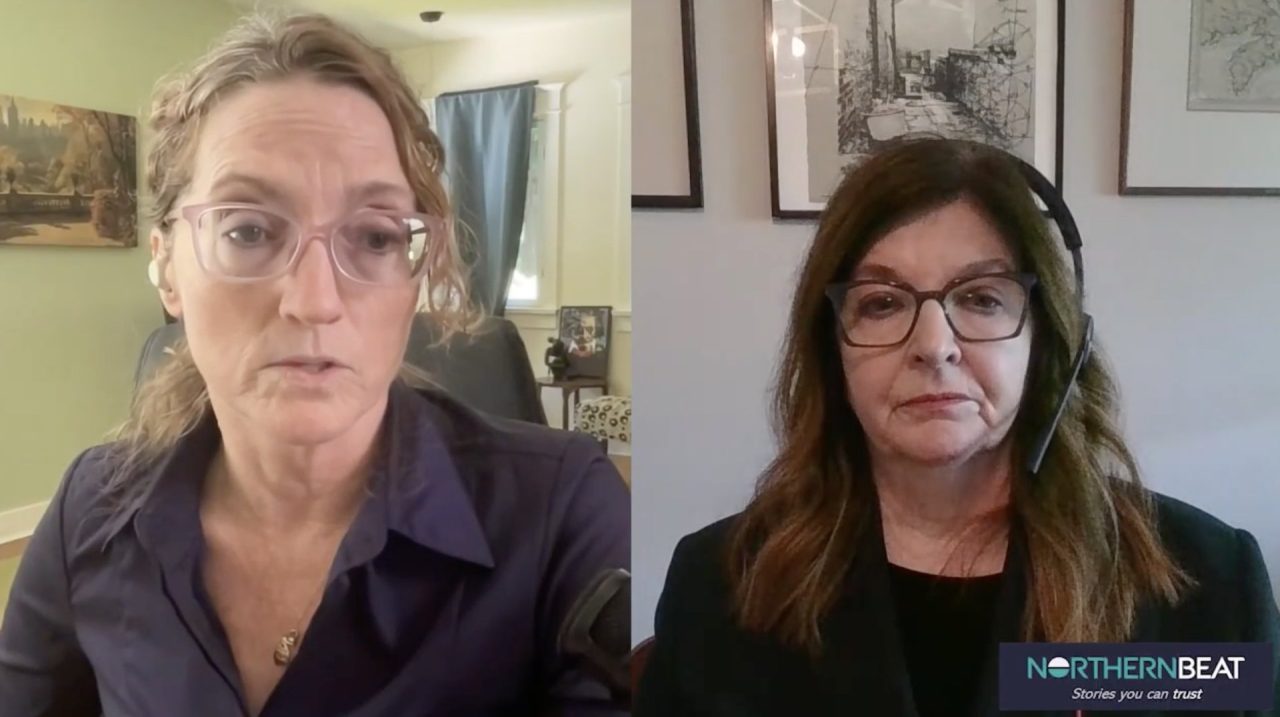
As litigator for Montrose Properties, Joan Young has taken on an unenviable, but some say, noble task.
Last month, Young was in the BC Supreme Court petitioning to reopen the Cowichan Tribes v Canada trial to add Montrose as a defendant. If successful, Montrose will speak not only for its own interests as the largest property owner within the newly declared 800 acres of Aboriginal title land in Richmond, but also for the 150 or so others who were deliberately shut out of the 11-years-long court proceedings that led to the landmark ruling.
Young dropped by the pod this week to explain how property titles are affected by the Cowichan Tribes decision, why Montrose is compelled to be the voice of landowners and take the extraordinary step to apply to reopen the trial, and what’s at stake if it doesn’t succeed.
Podcast excerpt: ‘They need to be there’
Precedent-setting decision
In August 2025, Madame Justice Barbara Young (no relation to Joan) issued the decision that rocked property owners in Richmond and beyond, marking the first time a court found Aboriginal title co-exists with private property. Overnight, Montrose Properties was thrust into ground zero of what may well be the epic societal conundrum of our time.
Who owns the land in British Columbia?
Framed as reconciliation, the current provincial and federal governments have committed to implementing the principles of a United Nations declaration that equates Indigenous land claims with land ownership. Given there are 2.3 million private properties in BC and enough overlapping Aboriginal title claims to cover up to 120 per cent of the province, the math doesn’t lead anywhere harmonious.
And if the Cowichan Tribes case is an indication of how the courts will treat private property owners whose land falls within an Indigenous land claim; how weakly governments will defend those public interests, and how vociferously Indigenous groups will pursue Aboriginal title, landowners might be on their own. Because so far in this case, the burden of defending what most consider an inalienable right in a democracy—property ownership—has landed on squarely Montrose’s head.
Despite more than a decade of legal proceedings, none of the parties of the Cowichan Tribes case, particularly Cowichan, Canada and BC, notified private landowners their property fell within the title claim area. And neither Canada nor BC argued to protect private property to the full extent they could have, according to Young.
If this a trend, there will be consequences. The first casualty may be the very cause the courts and governments are purportedly pursuing.
When the system for generations says private property is the most reliable investment we can make, then allows that same foundation to erode without notice or voice, says Young, public support for reconciliation will erode with it.
Podcast excerpt: ‘A death knell for reconciliation’
Podcast producers: Rob Shaw and Zach Proulx