

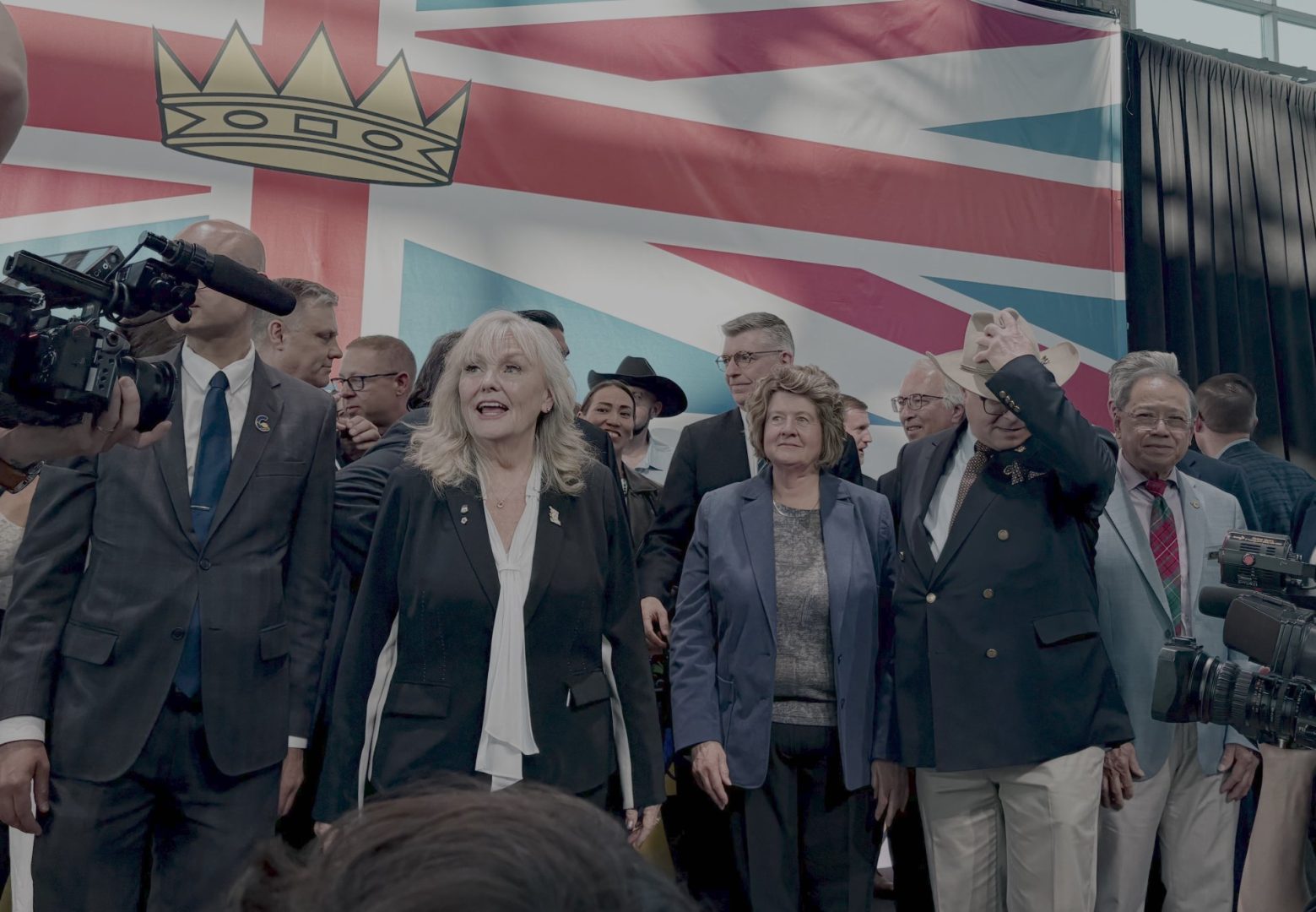
“We know what we’re doing.”
—Kerry-Lynne Findlay
The sudden exodus of BC Conservative MLAs who’ve lost confidence in leader Kerry-Lynne Findlay has everyone wondering: how much longer can Findlay last?
But it may not be the right question.
Of the many paths forward for the party after five resignations in nine days, Findlay voluntarily resigning seems one of the most unlikely.
She and her husband Brent Chapman have long been involved in the BC Conservatives, back to when they spoke at nearly-empty AGM meetings as a fringe party many years ago. Having finally achieved the control they desired, with Chapman also an elected MLA, neither will go easily or quietly. Those expecting Findlay to eventually look around at the damage caused and make a decision in the best interests of the Conservative party beyond herself, have misread both Findlay and the situation.
Still, expect at least some MLAs to try and call for Findlay to resign Monday at the next scheduled BC Conservative caucus meeting. But with five of her biggest critics no longer in that room — Peter Milobar, Ian Paton, Brennan Day, Teresa Wat and Rosalyn Bird — her loyalists may rival her detractors out of the 33 remaining MLAs.
If Findlay hunkers down, another scenario that could play out is continued departures of MLAs until Findlay presides over a reduced caucus of as few as 15 MLAs this fall.
Findlay supporters have referred to this option as a kind of a puritanical cleansing, where anyone who questions the leader’s brand of conservatism is either fired or booted out the door. Normally, a leader would quit rather than risk this kind of political damage. But it’s clearly a preferred option of Findlay herself, based on her reaction to the defections so far.
She’s called the resignations “unnecessary political drama” and responded, in part, by celebrating the opening of nomination races for new candidates to run against those who departed. She called longtime MLAs Paton and Milobar “selfish” for leaving.
“There may even be others that leave our caucus, I don’t know,” Findlay said at a press conference Monday.
“But if they’re leaving, that means they do not have a vision for prosperity and hope that we’re presenting for all British Columbians. It means somewhere along the way they’ve decided that they know better than us where we should be going. We know what we’re doing.”
In this scenario, Findlay doubles down on her far-right approach to the party, accelerates purging the party staff and caucus with loyalists, and abandons any pretense of appealing to the 49 per cent of BC Conservative members who did not vote for her in the fourth and final ballot of the race (not that’s actually made such overtures since winning May 30 anyway).
The problem with that path may be that it leads to the BC Conservatives losing Official Opposition status.
The Conservative caucus stood at 33 MLAs late Wednesday night. Already that’s 11 down from the 2024 election results. Only 14 more need to resign for the departed MLAs to outnumber the Conservatives as the Official Opposition in the legislature when it returns Oct. 5.
Seizing control of the Official Opposition mantle at the legislature would require the ex-Conservative MLAs to work together, though, which is by no means a sure thing. While Milobar and Paton have pledged to create a new political party, the other three MLAs have not yet even agreed to join it. And there’s also CentreBC leader Mike Bernier attempting to court defectors as well.
Some wonder if there’s an ability by the BC Conservative Party board to declare Findlay “professionally incapacitated” and remove her from office, like was done to John Rustad in December 2025.
The move required creative coordination between party and caucus officials. But Findlay has already forced out many of those people, including executive director Angelo Isidorou and board president Aisha Estey. Findlay, her chief of staff Chris Delaney, and her husband Chapman, are attempting to run roughshod over the rest. It’s not clear the board has the willingness or expertise to go up against them.
Complicating all of this are political organizers musing about creating a third centrist political party. They met Wednesday in Vancouver, filling a room with former BC Liberal, BC United and BC Conservatives strategists appalled at the state of Findlay’s leadership and brainstorming a way to either fix that party or create a new one with broad voter appeal.
Unless that path led to consolidation with Milobar’s new party, as well as CentreBC, it could leave voters with as many as four centre and centre-right options on the ballot in the next election. The only party that wins in that scenario, is the BC NDP.